 |
|
Imitation of Christ Online Bible |
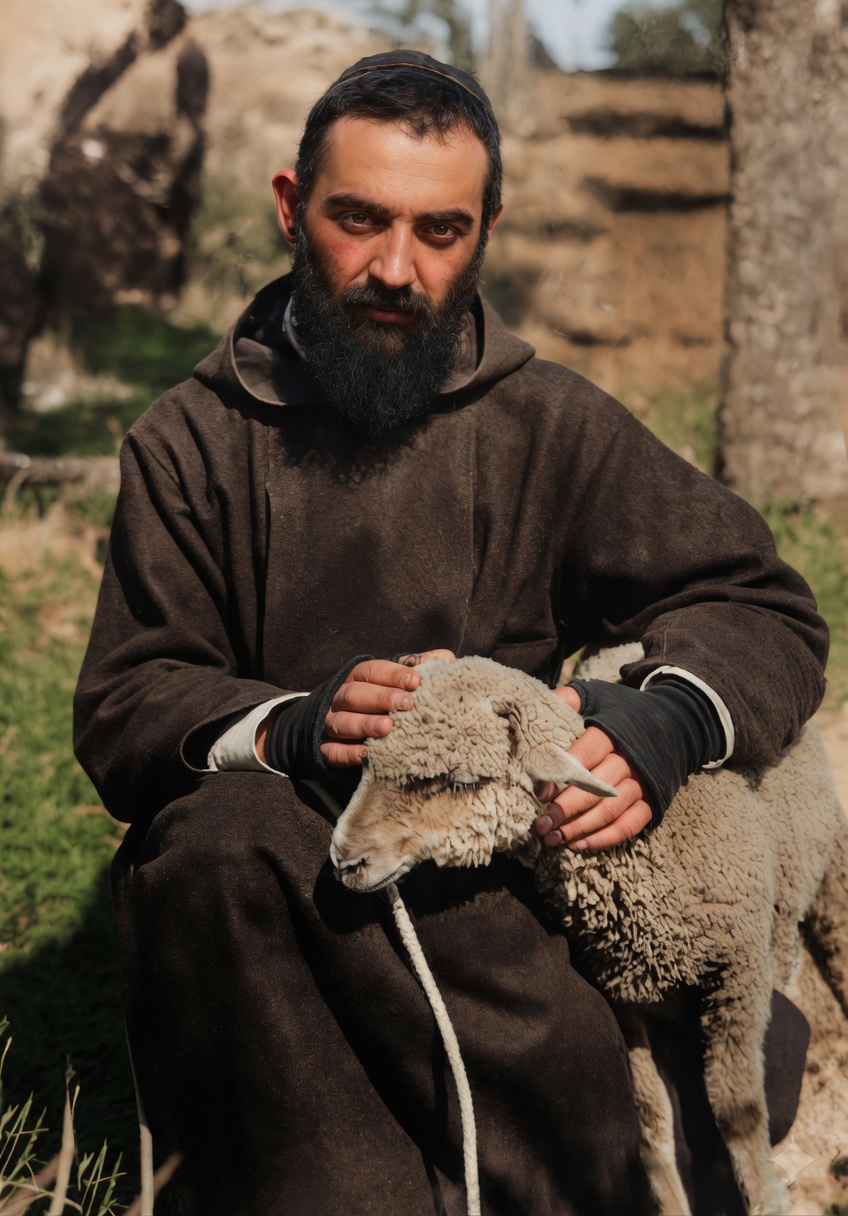 Prayer Of An Unknown Confederate Soldier
I asked God for strength that I might achieve, I was made weak that I might learn humbly to obey. I asked for health that I might do greater things, I was given infirmity that I might do better things. I asked for riches that I might be happy, I was given poverty that I might be wise. I asked for power that I might have the praise of men, I was given weakness that I might feel the need of God. I asked for all things that I might enjoy life, I was given life that I might enjoy all things. I got nothing that I asked for, -- but everthing I had hoped for. Almost despite myself, -- my unspoken prayers were answered. I am, among all men, most richly blessed.
                 Imitation of Christ - The Third Chapter
                         The Doctrine of Truth

HAPPY is he to whom truth manifests itself, not in signs and words
that fade, but as it actually is. Our opinions, our senses often
deceive us and we discern very little.
     What good is much discussion of involved and obscure matters
when our ignorance of them will not be held against us on Judgment
Day? Neglect of things which are profitable and necessary and
undue concern with those which are irrelevant and harmful, are
great folly.
     We have eyes and do not see.
     What, therefore, have we to do with questions of philosophy?
He to whom the Eternal Word speaks is free from theorizing. For
from this Word are all things and of Him all things speak -- the
Beginning Who also speaks to us. Without this Word no man
understands or judges aright. He to whom it becomes everything,
who traces all things to it and who sees all things in it, may
ease his heart and remain at peace with God.
O God, You Who are the truth, make me one with You in love
everlasting. I am often wearied by the many things I hear and
read, but in You is all that I long for. Let the learned be still,
let all creatures be silent before You; You alone speak to me.
     The more recollected a man is, and the more simple of heart
he becomes, the easier he understands sublime things, for he
receives the light of knowledge from above. The pure, simple, and
steadfast spirit is not distracted by many labors, for he does
them all for the honor of God. And since he enjoys interior peace
he seeks no selfish end in anything. What, indeed, gives more
trouble and affliction than uncontrolled desires of the heart?
     A good and devout man arranges in his mind the things he has
to do, not according to the whims of evil inclination but
according to the dictates of right reason. Who is forced to
struggle more than he who tries to master himself? This ought to
be our purpose, then: to conquer self, to become stronger each
day, to advance in virtue.
     Every perfection in this life has some imperfection mixed
with it and no learning of ours is without some darkness. Humble
knowledge of self is a surer path to God than the ardent pursuit
of learning. Not that learning is to be considered evil, or
knowledge, which is good in itself and so ordained by God; but a
clean conscience and virtuous life ought always to be preferred.
Many often err and accomplish little or nothing because they try
to become learned rather than to live well.
     If men used as much care in uprooting vices and implanting
virtues as they do in discussing problems, there would not be so
much evil and scandal in the world, or such laxity in religious
organizations. On the day of judgment, surely, we shall not be
asked what we have read but what we have done; not how well we
have spoken but how well we have lived.
     Tell me, where now are all the masters and teachers whom you
knew so well in life and who were famous for their learning?
Others have already taken their places and I know not whether they
ever think of their predecessors. During life they seemed to be
something; now they are seldom remembered. How quickly the glory
of the world passes away! If only their lives had kept pace with
their learning, then their study and reading would have been worth
while.
     How many there are who perish because of vain worldly
knowledge and too little care for serving God. They became vain in
their own conceits because they chose to be great rather than
humble.
     He is truly great who has great charity. He is truly great
who is little in his own eyes and makes nothing of the highest
honor. He is truly wise who looks upon all earthly things as folly
that he may gain Christ. He who does God's will and renounces his
own is truly very learned.
|